Home Scents: Build a First Impression That Lasts
Candles vs diffusers, essential oils benefits, room-specific fragrances, and where to buy quality scents that create lasting impressions.

You walk into a home and within seconds—before you have even properly looked around—you have formed an impression. That immediate, visceral reaction? It's often driven by scent more than any visual element.
Scents are important for a home's first impression because they directly influence emotions, memories, and mood, setting an immediate tone for the space. A pleasant scent makes a home feel welcoming and comfortable, while an unpleasant one can negatively impact perception. Both create lasting impressions that stick far longer than visual details.
Your home's scent is its handshake, its greeting, its personality distilled into something primal and immediate. Let's talk about getting it right.
How Do I Choose the Right Home Fragrance for Each Room?
Different rooms serve different purposes and need scents to match.
Room-by-Room Scent Guide
-
Entryway/Hallway
Purpose: First impression, welcoming atmosphere
Best scents: Fresh, clean, universally appealing (citrus, light florals, fresh linen)
Avoid: Anything too strong or polarizing -
Living Room
Purpose: Relaxation, socializing, comfort
Best scents: Warm, inviting (vanilla, sandalwood, amber, cashmere)
Avoid: Overpowering fragrances that dominate conversation -
Kitchen
Purpose: Neutralize cooking odors, freshness
Best scents: Citrus, herbs, clean scents
Avoid: Sweet or floral (clashes with food smells) -
Bedroom
Purpose: Relaxation, sleep promotion
Best scents: Calming, soothing (lavender, chamomile, cedarwood)
Avoid: Energizing scents (peppermint, citrus) -
Bathroom
Purpose: Freshness, cleanliness
Best scents: Spa-like (eucalyptus, mint, ocean, bamboo)
Avoid: Heavy, sweet scents in small spaces -
Home Office
Purpose: Focus, productivity, alertness
Best scents: Energizing, clarifying (peppermint, rosemary, lemon, pine)
Avoid: Heavy, sedating scents
What's the Difference Between Scented Candles, Wax Melts, and Diffusers?
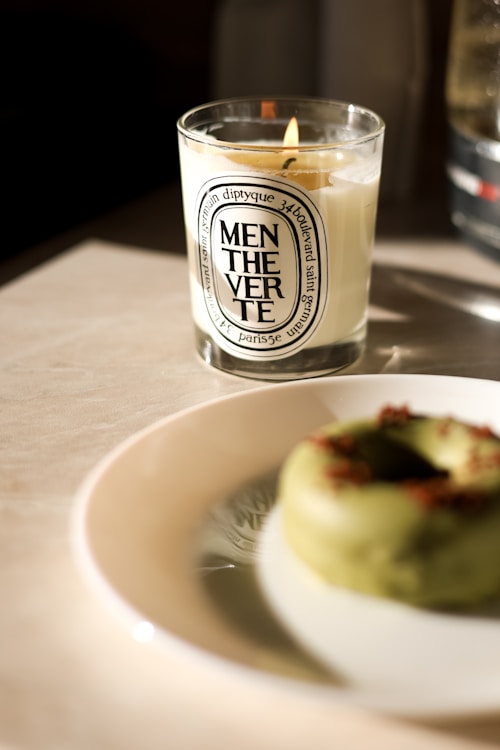
Scented Candles
- How they work: Fragrance released as wax melts and burns
- Pros: Ambiance, strong scent throw, aesthetic appeal, self-contained
- Cons: Fire hazard, limited burn time, soot, uneven burning
- Best for: Living rooms, bedrooms, dining areas
Reed Diffusers
- How they work: Fragrance oil absorbed by reeds, released continuously
- Pros: No flame, low maintenance, consistent release, decorative, 2-4 months lifespan
- Cons: Weaker scent throw, intensity control limited, oil spill risk
- Best for: Bathrooms, entryways, offices

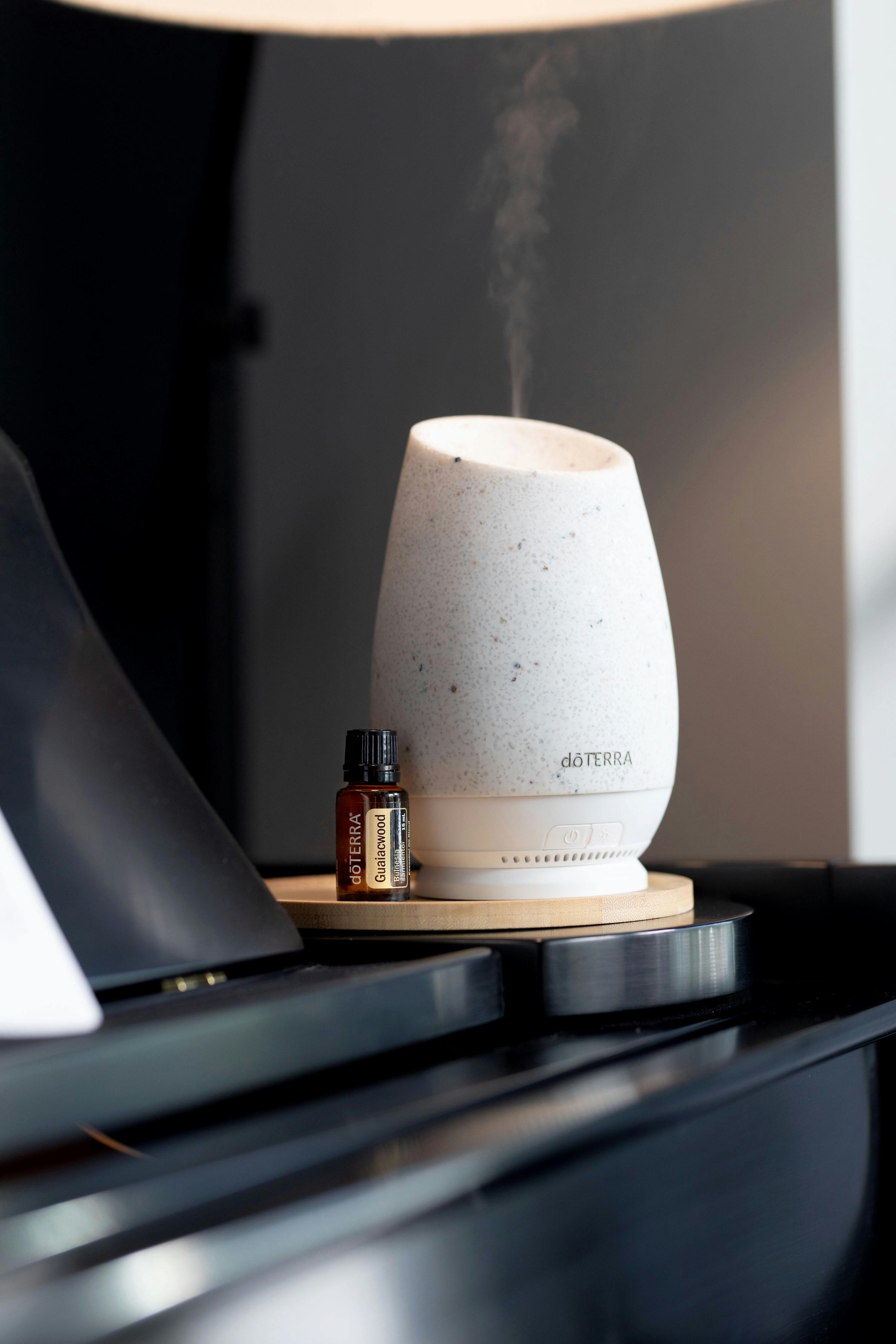
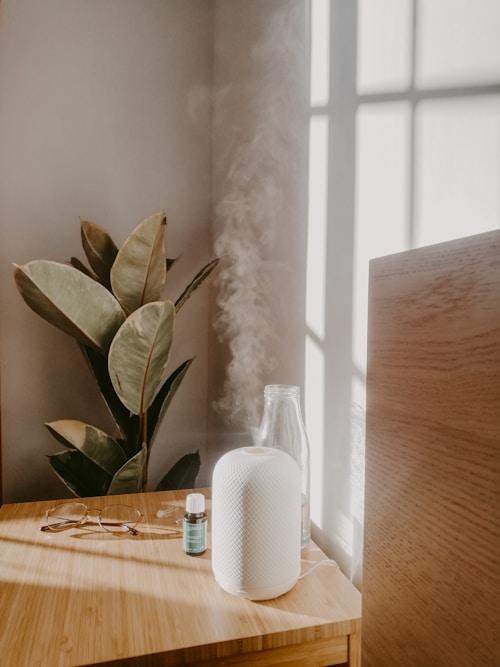
Essential Oil and Fragrance Diffusers (Electric/Ultrasonic)
- How they work: Water and essential oils dispersed as cool mist
- Pros: Adjustable intensity, humidifies, no flame, scent variety, health benefits
- Cons: Requires electricity, needs cleaning, water refilling, some look clinical
- Best for: Bedrooms, offices, living rooms
Wax Melts/Warmers
- How they work: Wax heated to release scent
- Pros: Strong scent, no open flame (electric warmers), affordable, easy scent change
- Cons: Need warmer device, wax messy, looks dated
- Best for: Budget scenting, strong fragrances
Can Home Scents Improve Mood and Wellbeing?
Yes—aromatherapy has genuine psychological and physiological effects.
Science-Backed Benefits
- Lavender: Reduces anxiety, improves sleep, lowers heart rate
- Peppermint: Increases alertness, improves focus, boosts energy
- Lemon/Citrus: Elevates mood, reduces stress, increases productivity
- Rosemary: Enhances memory, improves concentration
- Eucalyptus: Clears sinuses, promotes respiratory health
- Vanilla: Reduces anxiety, creates comfort, appetite suppressant
How Scent Affects Mood
- Direct pathway to limbic system: Smell accesses emotional center
- Memory triggers evoke emotional responses
- Physiological responses affect heart rate, blood pressure, stress hormone levels
What Are Sustainable Options for Home Fragrances?
Eco-conscious scenting is accessible and important.
Sustainable Choices
- Essential oils (pure plant extracts, therapeutic, biodegradable, often organic)
- Soy or beeswax candles (renewable, biodegradable)
- Reusable/refillable containers and reed diffusers
- Natural air purifiers like plants
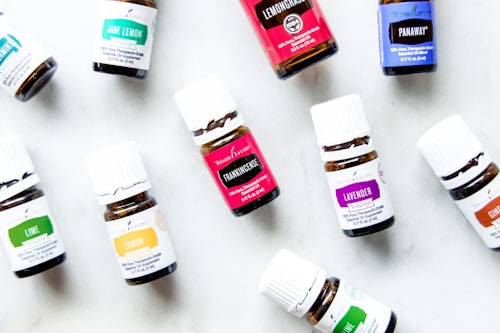
Where to Buy Essential Oils
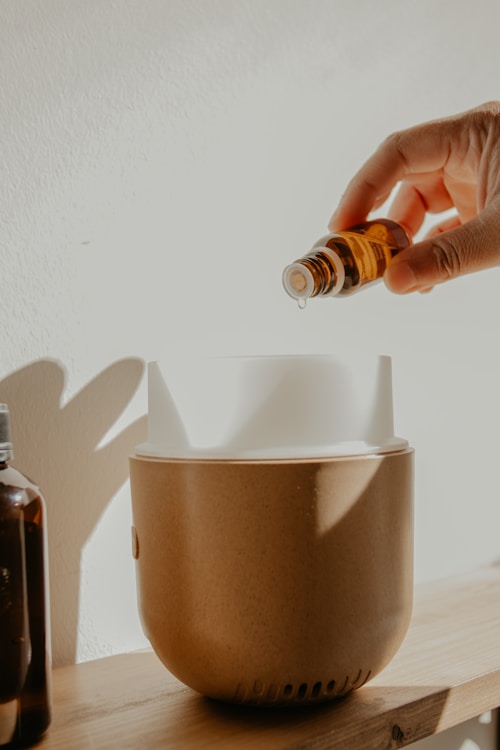
Apothecary shops or Amazon (choose pure, authentic oils with latin names, no additives, dark glass bottles)
How to Use
Add drops to diffuser water tank or use waterless diffusers like Neom Wellbeing Exclusive Pod Mini
How Do Smart Diffusers Work and Are They Worth It?
What Smart Diffusers Do
- App control with scheduling and intensity adjustment
- Mood-based scent programming
- Color-changing LED ambiance lighting
- Timer and voice control integrations
Worth It If You:
- Want convenience and tech integration
- Use diffuser daily
- Value ambiance control
Not worth it if budget is tight or usage is casual.
Where to Experience and Purchase Quality Fragrances
Visit fragrance shops such as Diptyque, Jo Malone, Tom Ford, Byredo, Penhaligons, Neom Organics, Aesop, Space NK, Liberty London, among others to test scents and find what suits you best.
Final Thoughts: Your Home's Invisible Welcome
Scent is the most overlooked element of home design, yet it's often the most memorable. The right fragrance creates atmosphere, influences mood, and makes people linger. Start choosing room-appropriate scents. Invest in quality—avoid cheap synthetics. Discover your preferences in-store, not just online. Make your home's scent intentional, welcoming, and memorable.
This article contains affiliate links, meaning we may earn a commission if you click through and make a purchase, at no extra cost to you.