Home Lighting: Illuminate Your Space Like a Pro
From LED vs incandescent to layering techniques —transform every room with expert lighting tips.

Here's the truth: lighting isn't just functional. It's both decorative and essential to creating a cozy and inviting atmosphere. The right lighting can transform a bland box into a sanctuary, add depth and dimension to flat spaces, and make your home feel like it belongs in a magazine spread rather than a college dorm.
What Types of Lighting Are Best for Different Rooms in the House?
Think of lighting like seasoning in cooking—you need different types for different purposes, and the magic happens when you layer them thoughtfully.
The Three-Layer Approach
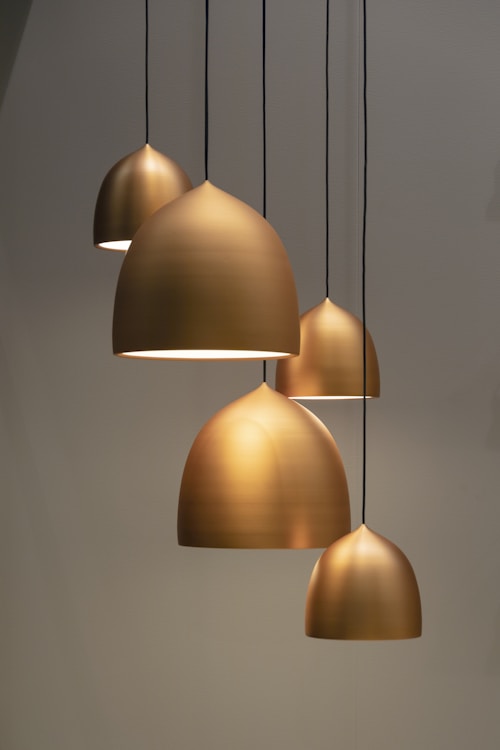
- Ambient lighting is your base layer—the overall illumination that lets you navigate without bumping into furniture. Think ceiling lights, recessed lighting, or large pendants.
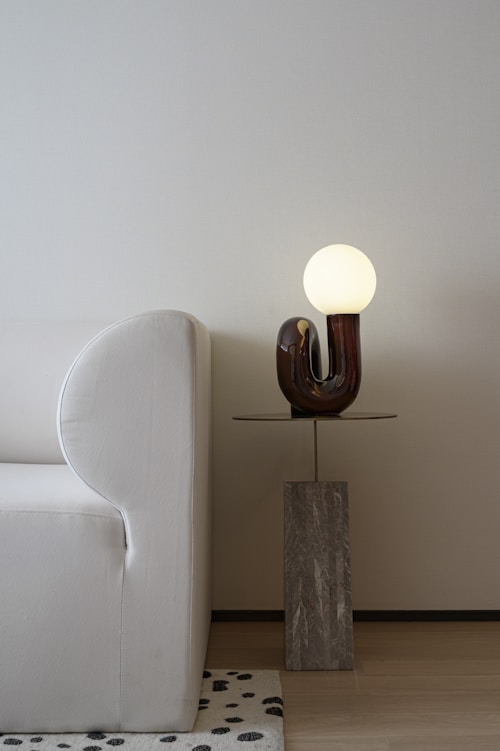
- Task lighting is functional and focused—desk lamps for working, reading lamps for curling up with a book, under cabinet lighting for food prep.
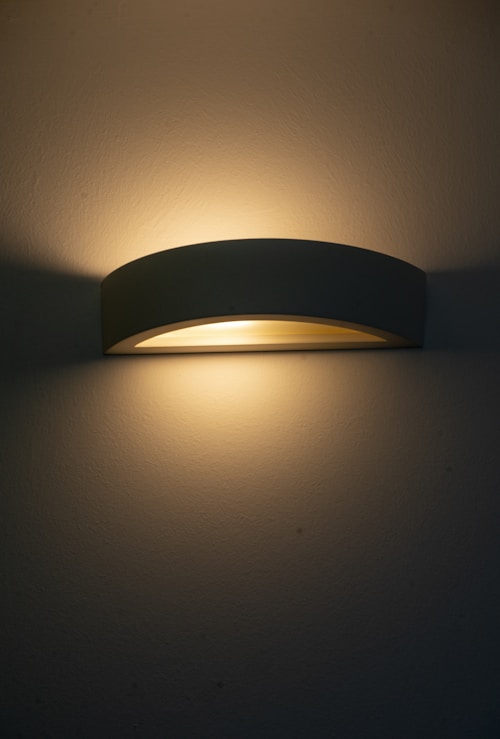
- Accent lighting is pure drama—it highlights artwork, creates shadows, and adds visual interest. This is where wall sconces, picture lights, and decorative fixtures shine.
Room-by-Room Lighting Strategy
| Room | Best Lighting Types | Why It Works |
|---|---|---|
| Living Room | Floor lamps, table lamps, wall sconces | Creates cozy, layered ambiance |
| Kitchen | Ceiling lights, pendant lights, under cabinet LED strips | Bright task lighting plus ambient glow |
| Bedroom | Bedside lamps, dimmable ceiling lights, soft accent lighting | Enables relaxation and reading light |
| Bathroom | Vanity lights, ceiling lights, waterproof fixtures | Even, shadow-free grooming light |
| Dining Room | Chandeliers, pendant lights, dimmable options | Sets mood and illuminates the table |
| Home Office | Desk lamps, overhead lighting, natural light | Reduces eye strain, boosts productivity |
The secret? Mix multiple sources. A room with just one overhead light feels flat and institutional. Add floor lamps, table lamps, and maybe a wall sconce, and suddenly you've got depth, warmth, and actual personality.
How Do I Layer Lighting in a Room Effectively?
This is where amateurs become experts. Layering lighting is an art, but the formula is surprisingly simple.
The Layering Formula
- Start with ambient lighting (ceiling fixtures, recessed lights) to establish your base brightness—illuminates the entire room evenly but not dramatically.
- Add task lighting where you do things—reading nooks, desks, kitchen counters, bathroom mirrors. Brighter and more focused.
- Finish with accent lighting to create visual interest—wall sconces flanking artwork, LED strips under shelving, decorative lamps casting shadows.
Pro tip: Use dimmable lights wherever possible. This gives flexibility to adjust mood from productive workspace to cozy retreat without changing bulbs.
The Sconce Secret
Wall sconces are criminally underused. Besides adding light, they add instant sophistication. Flanking artwork, they create gallery-like effects, making budget prints appear expensive.
Game-changer: no-drill wireless sconces exist now. Battery-operated or plug-in sconces are stylish and easy to install—no electrician needed.
Think of ambient as base coat of paint, task as functional elements, and accent as accessories that bring personality.
Can Smart Lighting Save Money on Energy Bills?
Absolutely, and it's not even the main benefit.
Smart lighting systems (Philips Hue, LIFX, Lutron) let you control lights via phone, set schedules, and create scenes. Automation turns lights off when you leave, dims during bright daylight, and adjusts based on routine.
Savings: modest, around 10-15% on lighting electricity. Real value is convenience and ambiance — dim lights from bed, set movie mode, wake naturally.
What Are the Latest Trends in Home Lighting for 2026?
Lighting trends lean toward organic, layered, and personalized experiences.
What's Hot
- Natural materials: Woven rattan pendants, wooden lamp bases, concrete fixtures
- Statement chandeliers: Sculptural, art-piece lighting that anchors rooms
- Integrated LED strips: Hidden lighting creating ambient glow
- Warm color temperatures: Softer 2700-3000K tones over harsh cool whites
- Brass and gold finishes: Add warmth and luxury
- Oversized floor lamps: Bold statements
- Vintage and retro styles: Mid-century modern, industrial
Lighting Pieces Worth Exploring
- Glass candle holders: Cocooning vibe with comforting candlelight
- Lanterns: Add rustic, chic touch indoors or out
- Wall sconces: Transform walls into sophisticated focal points
For style inspiration, visit stores like Pooky Lighting for diverse aesthetics.
Are Dimmable Lights Worth the Investment?
Yes. Emphatically yes.
Dimmable lights control mood and atmosphere—bright for mornings, soft for evenings.
Benefits:
- Extend bulb life
- Reduce energy use
- Create multiple moods
- Prevent harsh lighting
- Support circadian rhythms
Most LED bulbs are dimmable; smart switches/dimmers are affordable and worthwhile upgrades.
Final Thoughts: Light Makes the Room
Your home's lighting deserves more thought than just "bright enough." It shapes mood, productivity, sleep, and transforms spaces.
Start layering lighting—ambient, task, accent. Embrace LEDs for efficiency. Use statement pieces like sconces or sculptural pendants. Lighting evolves with your style.
The difference between a house and a home often comes down to lighting. Get it right, and everything else falls into place.
This article contains affiliate links, meaning we may earn a commission if you click through and make a purchase, at no extra cost to you.