Living Room Rugs: Size, Style, and Everything Between
Master living room rug selection with our complete guide. Learn proper sizing, materials, styles, and expert tips to choose rugs that transform your space perfectly.

A rug isn't just floor decoration. It defines conversation areas, adds warmth and texture, absorbs sound, protects flooring, and ties together disparate furniture pieces into a cohesive whole. Get it wrong—too small, wrong color, cheap material—and your entire room feels off, even if you can't pinpoint why.
How Do I Choose the Right Rug Size for a Room?
This is the single most important rug decision you'll make, and it's where most people catastrophically fail. Too-small rugs are the design equivalent of wearing trousers that are three inches too short—technically functional, but deeply, uncomfortably wrong.
The Golden Rule
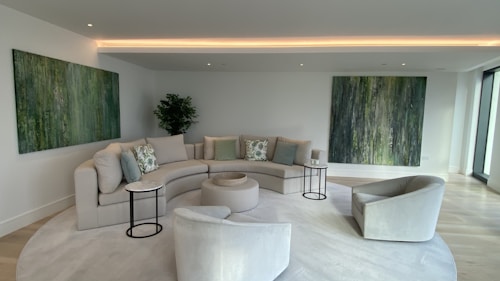
Your rug should be large enough to fit at least the front legs of your seating on top. This creates a unified conversation area where furniture feels connected rather than randomly scattered.
Even better? All furniture legs on the rug. This fully anchors the space and makes rooms feel larger and more intentional.
Living Room Rug Size Guide
| Room Size | Recommended Rug Size | What Fits |
|---|---|---|
| Small (10x12 ft) | 5x7 ft or 6x9 ft | Front legs of sofa and chairs |
| Medium (12x15 ft) | 8x10 ft | All furniture legs or most pieces |
| Large (15x20 ft) | 9x12 ft or larger | All furniture comfortably on rug |
| Extra Large (20+ ft) | 10x14 ft or custom | Complete seating area plus space |
Common Sizing Mistakes
- Mistake #1: The postage stamp rug — tiny 4x6 rug floating in a large seating area, totally disconnected.
- Mistake #2: Almost-right sizing — sofa legs barely touching rug, less than 12-18 inches coverage.
- Mistake #3: Ignoring room proportions — too big or too small rugs disrupt balance.
The Leave-Space Rule
Regardless of rug size, leave 12-18 inches of bare floor between the rug edge and the walls. This creates breathing room and prevents the "wall-to-wall carpet" look (unless that's specifically what you want).
What Rug Styles Are Trending in 2026?
Rug trends reflect broader design movements—and right now, we're seeing a beautiful shift toward natural, textured, and quietly sophisticated styles.
What's Hot
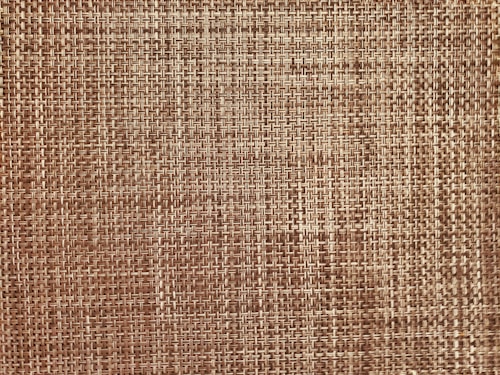
- Natural fiber rugs: Jute, sisal, seagrass—organic materials that bring warmth without fuss
- Vintage-inspired patterns: Persian and Oriental designs reimagined in modern colorways
- Textured solids: Rugs with visual interest through weave rather than pattern
- Neutral palettes: Cream, beige, soft gray, warm tan—versatile and timeless
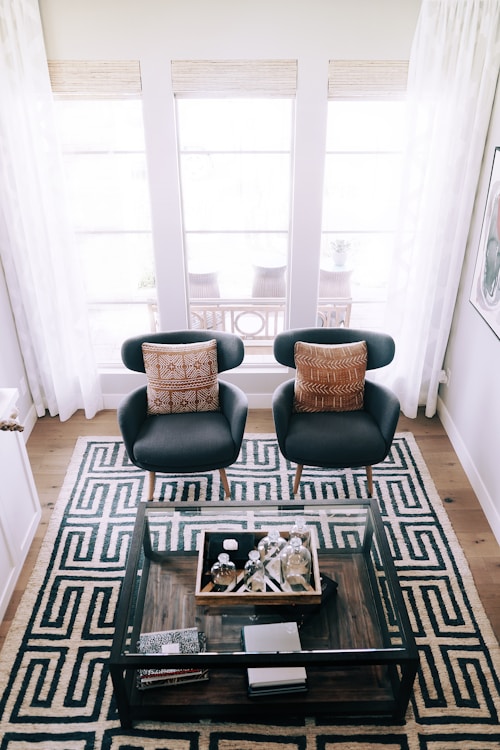
- Geometric patterns: Clean, modern designs that add structure without chaos
- Layered rugs: Smaller decorative rugs layered over larger neutral bases
- Low-pile rugs: Practical, easy to clean, work with modern furniture
- Oversized rugs: Bigger is better—generous sizing feels luxurious
What's Cooling Off
- Bright, bold patterns: The ultra-colorful, busy rugs of the 2010s feel dated
- Shag rugs: High-maintenance and harder to style (though they're not completely gone)
- Super trendy designs: Anything too zeitgeist-y will date quickly
What Are the Most Durable Rug Materials?
Not all rugs are created equal, and durability varies wildly by material. If you've got kids, pets, or high foot traffic, this matters enormously.
The Durability Rankings
Most Durable:
- Wool: Natural, resilient, stain-resistant, ages beautifully
- Nylon: Synthetic but incredibly tough, stain-resistant
- Polypropylene: Budget-friendly, water-resistant, easy to clean
- Sisal/Jute: Natural fibers that handle traffic well (but stain easily)
Moderately Durable:
5. Cotton: Washable but not particularly long-lasting
6. Polyester: Soft but pills and wears faster than nylon
Least Durable:
7. Silk: Gorgeous but delicate—not for high-traffic areas
8. Viscose: Looks luxe but crushes and stains easily
Material Deep Dive
Wool rugs are the gold standard. They're naturally stain-resistant (the lanolin in wool repels liquids), durable, and they age gracefully rather than looking worn out. Yes, they're expensive. Yes, they're worth it.
Natural fiber rugs (jute, sisal, seagrass) bring organic texture and work beautifully in casual, coastal, or organic modern spaces. They're durable underfoot but can stain if you spill liquids, so they're better for low-spill areas.
Synthetic rugs (polypropylene, nylon, polyester) are practical for families. They clean easily, resist stains, and cost less than natural materials. The tradeoff? They don't have the same luxurious feel and can look cheaper.
Persian/Oriental rugs (often wool or silk) are investments. Hand-knotted rugs appreciate in value, last generations, and bring instant elegance. They're not for everyone's budget, but if you can swing it, they're spectacular.
How Do I Clean and Maintain Different Types of Rugs?
Rug maintenance isn't glamorous, but it's the difference between a rug that lasts five years and one that lasts twenty.
Universal Rug Care
- Vacuum weekly: Prevents dirt from grinding into fibers
- Rotate every 6 months: Ensures even wear, especially in high-traffic areas
- Address spills immediately: Blot, don't rub—rubbing pushes stains deeper
- Use rug pads: Prevents slipping and protects both rug and floor
- Professional cleaning every 12-18 months: Deep cleans what vacuuming can't reach
Material-Specific Care
- Wool rugs: Vacuum regularly, spot-clean with wool-safe cleaner, professional cleaning annually
- Natural fiber rugs: Vacuum frequently, avoid moisture (they can mold), spot-clean with dry methods
- Synthetic rugs: Most forgiving—vacuum, spot-clean with mild detergent, some are even machine-washable
- Vintage/antique rugs: Professional cleaning only, careful vacuuming (use lowest setting), avoid direct sunlight
- Shag rugs: Shake out regularly, use a rug rake to fluff fibers, vacuum with beater bar turned off
Can Rugs Help with Soundproofing?
Yes, and this is an underappreciated benefit. Hard flooring reflects sound, making rooms echo-y and harsh. Rugs absorb sound waves, creating acoustically comfortable spaces.
Best Rugs for Sound Absorption
- Thick wool rugs (naturally dense)
- High-pile rugs (more material to absorb sound)
- Rugs with thick padding underneath
- Larger rugs (more coverage = more absorption)
This matters especially in apartments, homes with high ceilings, or rooms with minimal soft furnishings.
What Rug Shapes Are Most Versatile for Furniture Arrangements?
Shape affects how furniture relates to the rug and how the room flows.
Rectangular Rugs
The most versatile and common. Work with almost any furniture arrangement, especially traditional sofa-and-chairs setups.
Best for: Standard living rooms, under sectionals, traditional layouts
Round Rugs
Create visual softness and work brilliantly in square rooms or under round coffee tables. They break up the angular quality of most furniture.
Best for: Small seating areas, breakfast nooks, adding contrast to boxy rooms
Square Rugs
Less common but perfect for square rooms or symmetrical furniture arrangements.
Best for: Square rooms, four-chair conversation areas, modern aesthetics
Runner Rugs
Long and narrow, ideal for hallways but occasionally used to define pathways in open-plan spaces.
Best for: Hallways, entryways, galley-style spaces
For most living rooms, rectangular rugs are your safest bet. They accommodate standard furniture layouts and come in the widest variety of sizes.
Color and Pattern: Monochrome vs. Textured
Here's where personal style enters the conversation. Your rug can either blend quietly or make a bold statement.
The Neutral Approach
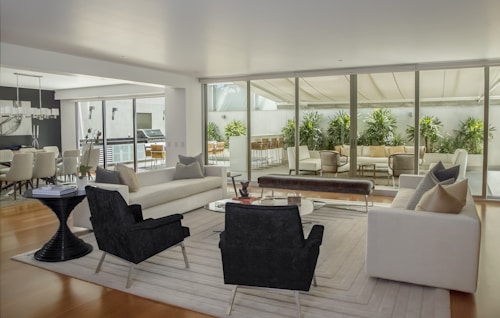
Monochrome or textured rugs in neutral color palettes are having a major moment. Think cream, beige, warm gray, soft taupe—colors that work with everything and never feel dated.
Benefits:
- Incredibly versatile (work with any decor changes)
- Make rooms feel larger and brighter
- Let furniture and art be the focal points
- Timeless and safe
This is the smart choice if you change your decor frequently or aren't confident in your pattern-mixing skills.
The Pattern Play
Patterned rugs—geometric, vintage Persian, tribal, abstract—add personality and visual interest. They work beautifully in rooms with solid-colored furniture.
Benefits:
- Hide stains and wear better than solids
- Add character and uniqueness
- Can tie together multiple colors in the room
- Make strong design statements
The risk? Patterns can date faster and are harder to work with when you want to update other elements.
Final Thoughts: The Rug Makes the Room
If there's one takeaway, it's this: size matters more than you think. A beautiful rug in the wrong size looks worse than a mediocre rug in the right size.
Start by measuring your space properly. Ensure at least the front legs of all furniture sit on the rug. Choose a neutral, textured style if you want versatility, or a patterned vintage-inspired piece if you want personality.
Invest in quality materials—wool if your budget allows, durable synthetics if practicality demands it. And remember: a rug isn't just floor covering. It's the foundation that makes everything else in your living room work together.
This article contains affiliate links, meaning we may earn a commission if you click through and make a purchase, at no extra cost to you.