Home Plants and Planters: Bring Life Into Your Space
Master indoor plants with our complete guide. From low-maintenance choices to rare specimens, learn plant care, real vs fake debate, and planter selection for 2026.

There's something undeniably different about a room with plants. It feels alive, breathable, intentional. Plants aren't just decoration—they're botanical art pieces that bring color, texture, and that elusive quality interior designers call "soul" to otherwise static spaces.
But here's where most people stumble: choosing the wrong plants, stuffing them in ugly pots, or getting paralyzed by the real-versus-fake debate. Let's eliminate the confusion and talk about creating a green oasis that actually works for your lifestyle, budget, and aesthetic.
What Are the Best Low-Maintenance Plants for Indoors?
Not everyone has a green thumb, and that's perfectly fine. The key is choosing plants that don't require a horticulture degree to keep alive.
The Bulletproof Basics
-
Snake plants (Sansevieria): Nearly indestructible. Tolerate low light, irregular watering, and general neglect. They're the houseplant equivalent of a Nokia phone—tough and reliable.
-
Pothos: Trailing vines that grow enthusiastically with minimal effort. They'll tell you when they need water (leaves droop slightly) and bounce back quickly.
-
ZZ plants (Zamioculcas zamiifolia): Glossy, architectural leaves. Survive in low light and with infrequent watering. Perfect for forgetful plant parents.
-
Monstera deliciosa: Dramatic split leaves, tropical vibe, surprisingly low-maintenance once established. Needs moderate light and weekly watering.
-
Spider plants: Produce adorable "babies," tolerate various light conditions, and forgive missed waterings.


The Easy-Care Champions
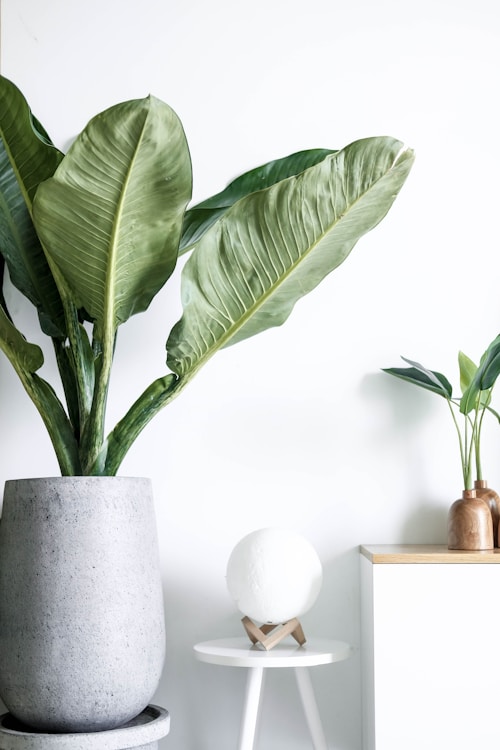
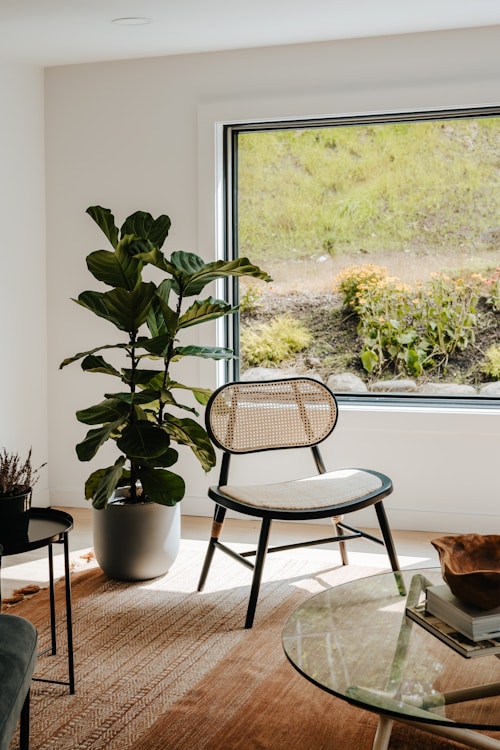
Banana plants and Fiddle Leaf Fig plants are genuinely easy to care for despite their dramatic appearance. They need bright indirect light and consistent (but not excessive) watering, but they're far more forgiving than their reputation suggests.
Which Indoor Plants Are Best for Air Purification?
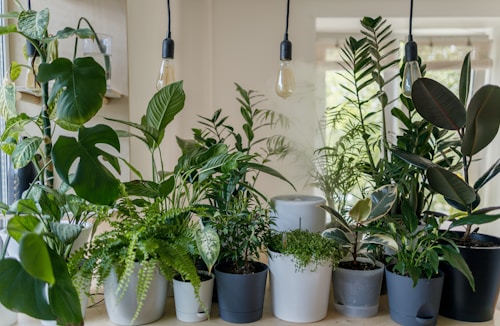
Plants aren't just pretty—they're actively working to clean your air. NASA studied this extensively (yes, really), and certain plants excel at filtering toxins.
Top Air Purifiers
- Snake plants: Remove formaldehyde, benzene, and trichloroethylene while producing oxygen at night (unusual for plants)
- Peace lilies: Filter ammonia, formaldehyde, and benzene. Plus, they bloom indoors with white flowers.
- Spider plants: Combat carbon monoxide and xylene.
- Pothos: Tackle formaldehyde, benzene, and carbon monoxide.
- Boston ferns: Remove formaldehyde and xylene while adding humidity.
Reality check: You'd need quite a few plants to make a measurable difference in air quality. But even a modest collection helps, and the psychological benefits of greenery are proven and significant.
How Often Should I Water Indoor Plants?
This is where people either drown their plants with love or forget them entirely into crispy oblivion.
The Golden Rule
More plants die from overwatering than underwatering. Let that sink in. Your instinct to water constantly is probably killing your green friends.
Smart Watering Guidelines
- Check the soil: Stick your finger 1-2 inches into the soil. Dry? Water. Still moist? Wait.
- Water thoroughly: When you do water, drench until it drains from the bottom. Then don't water again until the soil dries.
- Adjust seasonally: Plants need more water during growing season (spring/summer), less during dormancy (fall/winter).
Plant-specific needs:
- Succulents and cacti: Every 2-3 weeks
- Snake plants, ZZ plants: Every 2-3 weeks
- Pothos, philodendron: Weekly
- Fiddle leaf figs: Weekly, when top 2 inches are dry
- Ferns: Keep consistently moist (but not soggy)
Pro tip: Use room-temperature water. Cold water shocks roots.
What Types of Light Do Indoor Plants Need?
Light requirements are non-negotiable. Put a sun-loving plant in a dark corner, and you'll watch it slowly, sadly decline.
Light Level Decoder
- Bright, direct light: South-facing windows. Harsh, strong sunlight. (Succulents, cacti, some palms)
- Bright, indirect light: Near east or west-facing windows with filtered light. (Monstera, fiddle leaf figs, most tropical plants)
- Medium light: Several feet from a bright window or near a north-facing window. (Pothos, philodendron, dracaena)
- Low light: Away from windows or in rooms with minimal natural light. (Snake plants, ZZ plants, pothos)
- No natural light: Get high-quality grow lights or choose very hardy low-light plants.
Reading Your Plant
- Signs of too much light: Bleached, pale leaves; brown crispy spots; wilting despite adequate water
- Signs of too little light: Leggy, stretched growth; small new leaves; leaning desperately toward light source; loss of variegation
Real vs Fake Plants: The Great Debate
Let's address this honestly, because both sides have valid points.
Real Plants: The Case For
Pros:
- Living, growing, changing (they're dynamic, not static)
- Improve air quality (modestly but genuinely)
- Psychological benefits (caring for living things is therapeutic)
- Natural, sophisticated look that fakes rarely match
- Create connection to nature indoors
Cons:
- Require ongoing care and attention
- Can attract pests if not properly maintained
- Some are toxic to pets
- May not thrive in all environments
- Initial learning curve
Fake Plants: The Case For
Pros:
- Zero maintenance (never water, never worry)
- Work in any light condition
- No pest problems
- Pet-safe by default
- Consistent appearance year-round
Cons:
- Static—never grow or change
- No air purification benefits
- Can look cheap if quality isn't high
- Dust collectors that require occasional cleaning
- Lack the "life force" of real plants
The Middle Ground
You don't have to choose. Mix real and fake plants strategically:
- Real plants where you can care for them (near windows, in frequently used rooms)
- Fake plants in low-light areas, high shelves, or spaces you rarely access
The most popular fake plant in modern apartments? Olive trees—those Mediterranean beauties you've definitely seen in stylish spaces. They're mostly artificial and available at most large retailers for around £30.
Our Recommendation
We recommend real plants for a natural, sophisticated look. There's simply no substitute for the organic beauty and presence of living greenery. If budget is a concern, explore Facebook Marketplace for second-hand plants—though be careful to inspect for pests or disease.
Rare and Sculptural Plants That Set Your Home Apart
If you want your interior to stand out, move beyond the ubiquitous fiddle leaf fig and monstera. Seek out plants with unique forms and elegant presence.
Our Favorites
- Polyscia Ming trees: Stunning, delicate fern-like foliage on sculptural stems; elegant bonsai-like appearance.
- Queensland Bottle Trees (Brachychiton rupestris): Distinctive swollen trunk, unique silhouette.
- Philodendron 'Pink Princess': Dark leaves with pink variegation.
- Highly sought-after Alocasia varieties: Dramatic, arrow-shaped leaves.
- Bird of Paradise: Large, tropical leaves that make bold statements.
- Rubber plants (Ficus elastica): Glossy, substantial leaves.
Where to Find Rare Plants
If Facebook Marketplace doesn't yield these treasures, head to specialist retailers: Hortology, Happy Houseplants, Patch Plants. They provide quality and care info worth the investment.
Choosing the Right Planter: Materials Matter
Your plant might be gorgeous, but the wrong pot kills the aesthetic instantly.
Planter Material Breakdown
| Material | Pros | Cons | Best For |
|---|---|---|---|
| Terracotta | Porous, excellent drainage, affordable, classic look | Dries quickly, can crack in cold, basic aesthetic | Succulents, cacti, Mediterranean plants |
| Glazed Ceramic | Beautiful finishes, retains moisture, durable | Heavy, expensive, less breathable | Most houseplants, decorative |
| Plastic | Lightweight, affordable, retains moisture | Cheap look, less breathable, degrades | Temporary, hanging plants, budget |
| Concrete | Modern aesthetic, durable, heavy | Heavy, porous unless sealed | Large floor plants, modern interiors |
| Wood | Natural look, porous, unique | Rot prone, needs liner and maintenance | Indoor/outdoor, rustic styles |
| Metal | Modern, durable, lightweight | Heats up in sun, rust risk, limited drainage | Decorative covers, modern spaces |
| Fiberglass | Lightweight yet durable, weather-resistant | Expensive, less authentic look | Large plants, commercial spaces |
| Fabric | Lightweight, collapsible, promotes air pruning | Limited lifespan, casual look | Vegetables, temporary plantings |
Our Pick: The Le Tauci Planter
We love the shape and color of the Le Tauci Planter. Fiberglass looks like concrete (sophisticated, weighty) but is lightweight. Matches modern, Scandinavian, and organic interiors beautifully.
Budget-Friendly Planter Hacks
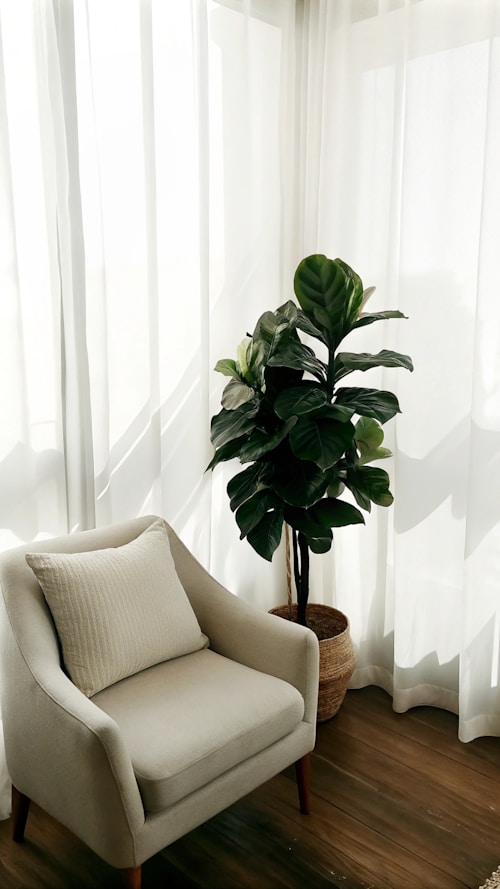
- Cover plastic nursery pots with seagrass baskets to upgrade appearance while keeping practicality.
- Seagrass baskets available at IKEA, H&M Home, Mango Home, Zara Home, Amazon, and La Redoute.
- Use baskets with or without lids depending on access and aesthetics.
Which Indoor Plants Are Safe for Pets?
Critical if you share your space with curious cats or dogs.
Pet-Safe Plants:
- Spider plants
- Boston ferns
- Parlor palms
- Calatheas
- Peperomia
- African violets
Toxic Plants to Avoid:
- Highly toxic: Sago palms, lilies, dieffenbachia, philodendron, pothos, snake plants, ZZ plants
- Mildly toxic: Monstera, rubber plants, fiddle leaf figs
Research before bringing plants home. ASPCA's toxic plant database is a good resource.
Final Thoughts: Botanical Art That Lives
Plants transform houses into homes by introducing life, movement, and organic beauty that no manufactured object can replicate. Whether you choose easy-care pothos or invest in rare Polyscia Ming trees, the presence of greenery creates spaces that feel genuinely alive.
Start with low-maintenance options if you're new to plant parenthood. Mix real and fake strategically if your lifestyle demands it. Hunt for rare specimens if you want your space to stand apart. And don't underestimate the power of a beautiful planter—the right pot elevates even humble plants into design statements.
Now go green up your space. Your rooms (and your mood) will thank you.
This article contains affiliate links, meaning we may earn a commission if you click through and make a purchase, at no extra cost to you.