Decorative Vases: Transform Any Room with Style
Master decorative vases with our complete guide. Learn materials, sizing, styling tips, and trending designs. Transform any room with the perfect vase.

Here's something most people overlook: vases are one of the few decorative items that belong absolutely everywhere. Living room? Obviously. Dining table? Perfect. Kitchen counter? Absolutely. Bathroom? Why not. Even your bedside table benefits from the right vase.
They're versatile, functional, and when chosen thoughtfully, they transform ordinary spaces into styled interiors. But here's the problem—most people either ignore vases entirely or grab whatever's cheapest without considering impact.
Let's talk about choosing vases that actually elevate your space, and how to style them so they work harder than you'd think possible.
What Are the Best Materials for Decorative Vases?
Material determines both aesthetic and practicality. Different materials suit different styles and purposes.
Material Breakdown
-
Ceramic vases: Versatile, available in endless finishes, durable, substantial feel. Perfect for most interiors.
-
Glass vases: Clean, transparent, modern, showcase stems beautifully. Best for minimalist and Scandinavian spaces.
-
Metal vases: Brass, copper, stainless steel—industrial, luxurious, or modern depending on finish. Best for contemporary or industrial styles.
-
Terracotta vases: Earthy, rustic, Mediterranean vibe. Best for farmhouse, bohemian, or Mediterranean interiors.
-
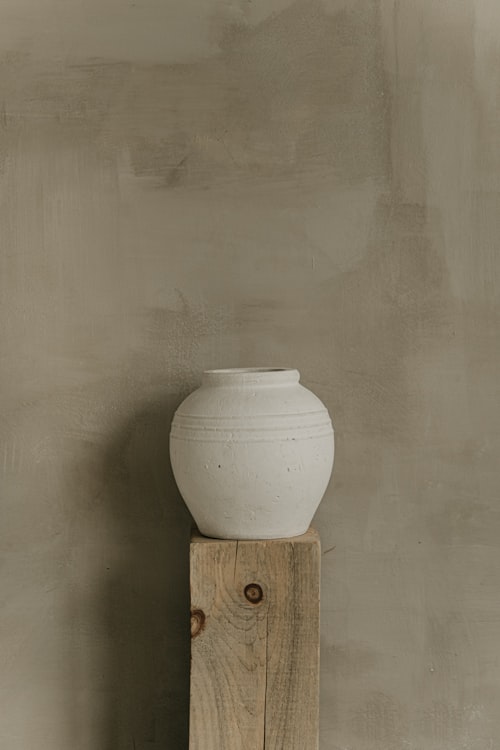
Stone vases: Substantial, sculptural, organic. Best for organic modern or contemporary spaces.
-
Concrete vases: Industrial-modern, heavy, architectural. Best for minimalist or industrial spaces.
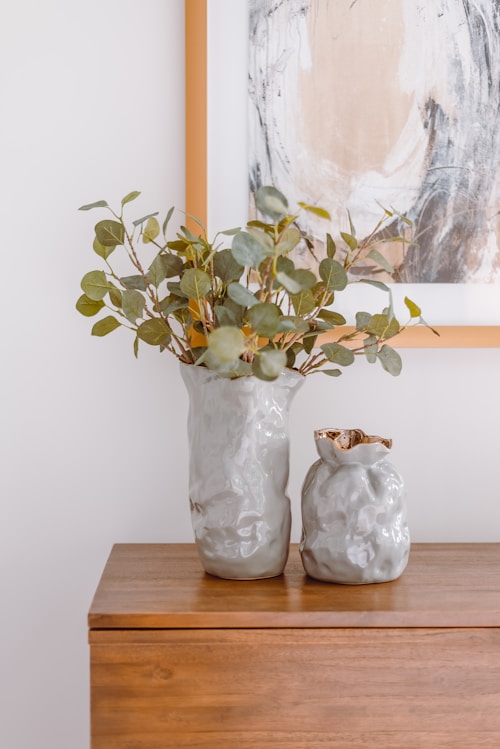
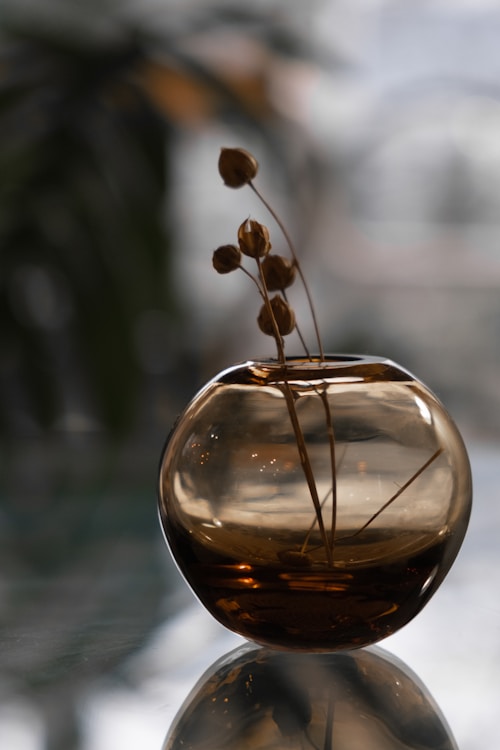
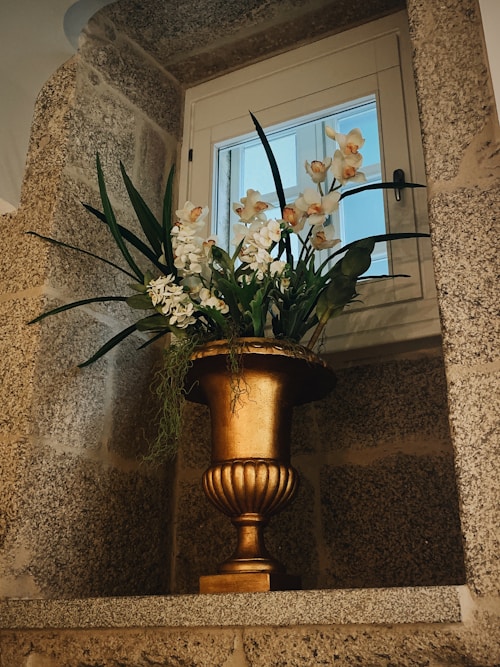
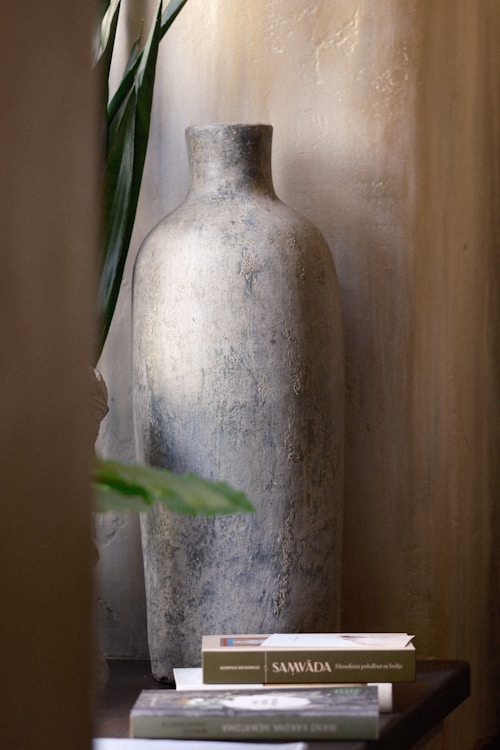
Our Recommendation
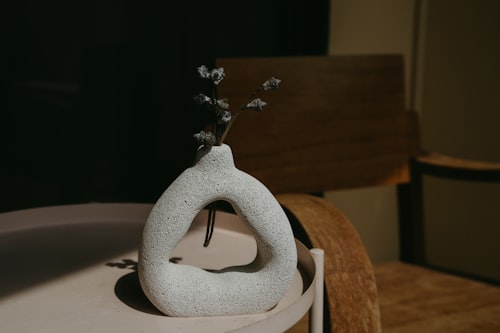
We love stone vases for their substantial presence and organic sophistication. They have visual weight without being fussy, work with multiple styles, and feel genuinely high-end.
The Darcy and Bloomville Chevron Stone vases from Hill Interiors are particularly lovely in living rooms and kitchen counters. The broad base makes them majestic and flattering—they anchor arrangements beautifully and feel stable rather than precarious.
Where to find them:
How Do I Choose the Right Vase Size for a Particular Space?
Size is everything. Too small, and your vase disappears. Too large, and it overwhelms. Getting it right requires understanding proportions.
The Size Strategy
Prefer larger vases for maximum impact. Small vases feel apologetic and insignificant. Substantial vases command attention and anchor surfaces beautifully.
Room-specific sizing:
- Living rooms: Large floor vases (18-24 inches) or substantial table vases (10-14 inches)
- Dining tables: Medium vases (8-12 inches) that don't block conversation sight lines
- Kitchen counters: Medium vases (8-14 inches) with broad bases for stability
- Bedside tables: Small to medium (6-10 inches) that don't dominate limited space
- Bathrooms: Small to medium (6-12 inches) depending on counter size
- Entryways: Large statement vases (14-20 inches) on console tables
The Proportion Rule
Vases should be roughly 1/3 to 1/2 the height of arrangements. Taller vases require longer stems; shorter vases work with compact bouquets.
Surface relationship matters: A vase should feel proportional to its surface. A tiny vase on a massive dining table looks lost. A huge vase on a small side table looks precarious.
Can Vases Be Used as Stand-Alone Décor Without Flowers?
Absolutely, and this is where vases become genuine design objects rather than just flower containers.
Vases as Sculptural Art
Modern sculptural vases with interesting shapes, textures, or colors function as standalone art pieces. They don't need flowers—their form is the statement.
When vases work empty:
- Distinctive, sculptural shapes that catch the eye
- Beautiful colors or finishes (jewel tones, metallics, textured glazes)
- Grouped collections of varied heights and shapes
- Minimalist spaces where simplicity is the goal
Statement vases in organic forms, bold colors, or unique materials become conversation pieces. Treat them like sculpture—they're meant to be admired empty.
When Vases Need Content
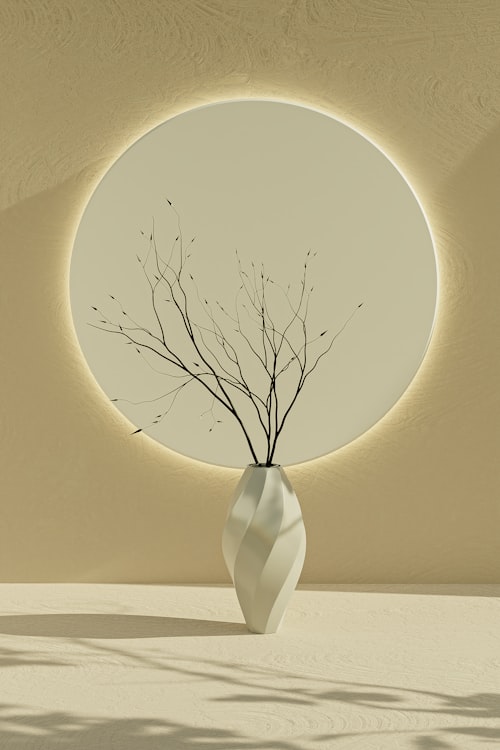
Plain, simple vases in neutral colors typically need flowers or branches to feel complete. Their beauty comes from function rather than form alone.
The decision: If the vase itself makes you pause and appreciate it, it works empty. If it feels like it's waiting for something, fill it.
What Are the Top Vase Design Trends for 2026?
Vase trends reflect broader design movements—and 2026 is interesting.
Trending Styles
- Organic, irregular shapes: Moving away from perfect symmetry toward natural, flowing forms
- Textured surfaces: Ribbed, dimpled, or rough finishes add tactile interest
- Earth tones: Terracotta, warm beige, clay, rust—natural colors dominate
- Oversized vases: Bigger is better for floor placement and statement-making
- Handcrafted aesthetics: Pieces that look artisan-made rather than mass-produced
- Neutral palettes: Cream, beige, soft gray, natural stone colors
- Matte finishes: Less shiny glaze, more organic texture
- Minimalist forms: Simple shapes with beautiful proportions
Colors That Work
- Versatile neutrals: White, cream, beige, gray—work with any color scheme
- Earthy tones: Terracotta, rust, clay, warm brown—on-trend and timeless
- Muted jewel tones: Sage green, dusty blue, soft burgundy—sophisticated without loud
- Natural stone colors: Gray-beige, concrete, natural variations
What's cooling: Bright, saturated colors; overly shiny finishes; aggressively trendy shapes that'll date quickly.
Are Ceramic Vases More Durable Than Glass Vases?
Yes, generally, though both have strengths.
Ceramic Vases
- Durability: Thicker walls, less likely to shatter from typical bumps
- Weight: Heavier, more stable, won't tip easily
- Variety: Endless finishes, glazes, textures, colors
- Opacity: Hides stems and water (less maintenance-looking)
Weakness: Can chip or crack if dropped; more expensive for quality pieces.
Glass Vases
- Aesthetic: Transparent, shows entire stem arrangement, modern feel
- Versatility: Works with any color scheme, disappears visually
- Cleaning: Easy to see water quality and clean thoroughly
Weakness: Fragile, shows water quality (needs frequent changing), tips more easily.
For homes with kids or pets: Ceramic is safer. For minimalist aesthetics: Glass. For textural interest: Ceramic.
How Do Statement Vases Add to Room Ambiance?
A well-chosen vase changes the entire feel of a space.
The Statement Vase Effect
- Anchors the eye: Draws attention, creates focal points
- Adds verticality: Makes ceilings feel higher
- Introduces texture: Breaks up flat surfaces
- Brings color strategically: Without commitment of paint or large furniture
- Creates sophistication: Quality vases signal curated taste
Where statement vases work best:
- Entryways (first impression)
- Coffee tables (conversation centerpiece)
- Dining tables (gathering point)
- Console tables (anchors empty wall space)
- Mantels (fills vertical space)
The key: One statement vase per sight line. Multiple competing statements create chaos.
Can Vases Be Both Functional and Sculptural?
This is the holy grail—pieces that work beautifully empty or filled.
Dual-Purpose Design
Look for:
- Interesting shapes that stand alone
- Beautiful finishes or textures
- Proportions that work both ways
- Quality craftsmanship worth displaying
Examples:
- Organic ceramic vases with unique curves
- Textured stone vases with architectural presence
- Handcrafted pieces with visible artistry
- Metal vases with distinctive finishes
The best vases earn their place whether holding flowers or sitting empty. That's versatility worth paying for.
Fresh vs Dried Flowers: What Works Best?
Both have their place, and your choice affects vase selection.
Fresh Flowers
Pros:
- Living, changing beauty
- Fragrance
- Special occasion feeling
- Variety of colors and forms
Cons:
- Weekly expense
- Maintenance (water changes, trimming stems)
- Short lifespan (5-10 days typically)
- Seasonal availability
Best vases for fresh flowers: Watertight ceramic or glass, appropriate height for stem length.
Dried Flowers and Bouquets
Pros:
- Long-lasting (months to years)
- No maintenance beyond occasional dusting
- One-time cost
- Natural, organic aesthetic
Cons:
- Can look dated if not styled well
- Accumulate dust
- Fragile (break easily)
- Limited color palette
Our dried flower recommendations from The Range:
- Dried Eucalyptus Bouquet: Beautiful, inexpensive, and smells wonderfully good.
- Dried Floral Bouquet: Pretty, varied textures, affordable, brings organic warmth.
Best vases for dried arrangements: Taller vases with narrower openings to support lighter stems.
The Practical Approach
Mix both: Fresh flowers for special occasions or when you feel like treating yourself. Dried arrangements as permanent solutions in less-used spaces or for consistent style.
Budget-Friendly Vase Shopping
Quality vases don't require designer budgets.
Where to Find Stylish, Affordable Vases
- The Range: Large variety, affordable prices, decent quality for the cost
- IKEA: Simple designs, excellent prices, surprising selection
- H&M Home: Trendy styles, affordable, seasonal collections
- Zara Home: Elevated aesthetic, mid-range prices
- TK Maxx: Designer brands at discount prices
- Charity shops: Vintage finds, unique pieces, incredible prices
- Facebook Marketplace: Second-hand gems at bargain prices
Where we love shopping: Homestyle89 offers a large variety of stylish and colorful vases with unique designs that stand out from high-street offerings.
Investment vs Budget
- Invest in: Large statement vases, unique handcrafted pieces, floor vases
- Save on: Small vases, frequently rotated seasonal pieces, experimental colors
Final Thoughts: The Transformative Power of Vases
Vases are deceptively powerful decorative tools. They bring height, color, texture, and organic beauty to spaces in ways few other objects can match. Whether holding fresh bouquets, dried arrangements, or standing beautifully empty, the right vases transform ordinary rooms into styled spaces.
Choose larger sizes for maximum impact. Embrace stone or ceramic for durability and sophistication. Don't be afraid of empty vases if their form is beautiful enough. And remember—vases belong everywhere, even in unexpected spaces like bathrooms and home offices.
Now go add some vertical interest to your spaces. Your rooms are waiting for that finishing touch.
This article contains affiliate links, meaning we may earn a commission if you click through and make a purchase, at no extra cost to you.